How Wisconsin Aluminum Foundry Leads in Quality, Innovation, and Reliability
Wiki Article

Understanding the Process: Just How Aluminum Foundries Develop High-Quality Products
Aluminum foundries play a necessary function in creating top notch products through a meticulous procedure. It starts with melting raw aluminum, which eliminates contaminations. Later, various molding strategies shape the metal right into desired kinds. Accuracy during pouring and solidification is vital to fulfill specific specs. The lasts include completing touches that enhance durability and look. As technology advances, these procedures are fine-tuned additionally. What technologies are shaping the future of aluminum foundries?The Melting Process: Transforming Raw Aluminum
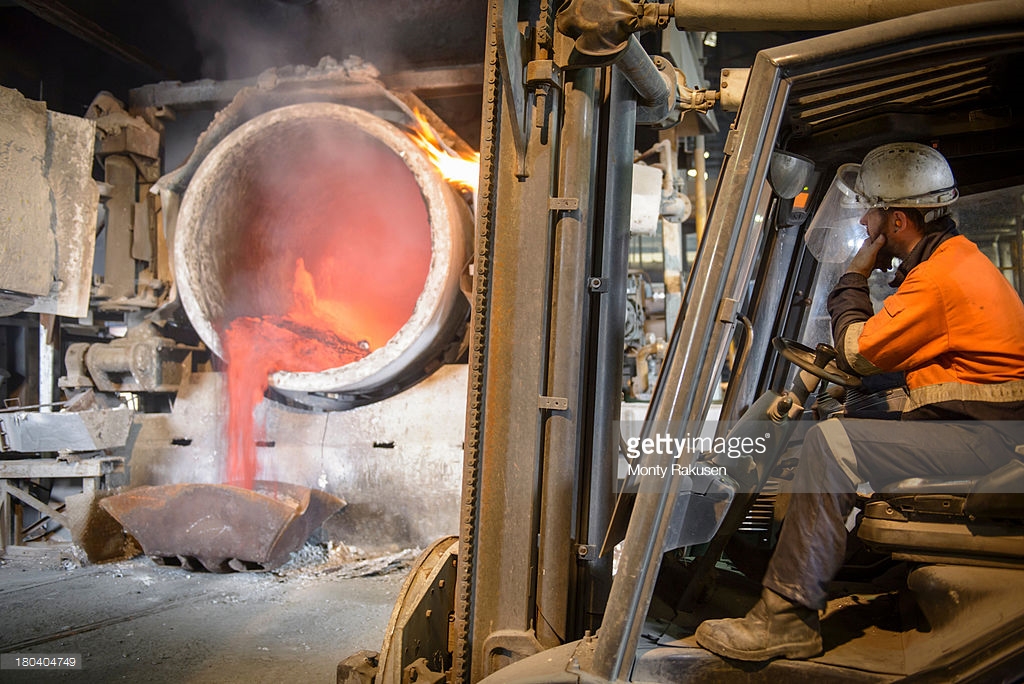
The melting process acts as an important step in transforming raw aluminum right into functional products. Aluminum scrap or raw ingots are positioned in a furnace where they are subjected to high temperature levels, generally getting to around 660 degrees Celsius. This intense warmth triggers the aluminum to dissolve, enabling contaminations to rise to the surface, where they can be skimmed.Numerous melting techniques, such as induction melting or gas-fired melting, might be used depending upon the specific requirements of the shop. The option of approach can affect power efficiency and steel high quality. Maintaining accurate temperature control is vital to ensure consistent melting and to prevent oxidation that can endanger the material.
As soon as thawed, the aluminum awaits additional handling, establishing the phase for succeeding operations that will mold it into certain forms and products. Aluminum Castings. The high quality of the melting procedure directly impacts the integrity of the final aluminum things produced
Molding Techniques: Shaping the Future
After the aluminum has been thawed and pollutants eliminated, it awaits forming via different molding strategies. Among one of the most prevalent approaches is sand spreading, where a mold and mildew is created from sand and a binder. This method enables intricate layouts and is cost-efficient for reduced to tool production runs. One more popular approach is die spreading, which includes requiring liquified aluminum right into a steel mold under high stress. This method results in high precision and smooth surface areas, making it ideal for mass manufacturing.
Irreversible mold casting is additionally utilized, utilizing reusable mold and mildews that improve dimensional precision and surface finish. Each molding technique uses unique advantages, enabling foundries to customize their procedures based upon item requirements and production volume. By choosing the appropriate approach, aluminum foundries can guarantee superior top quality and efficiency in their last products, solidifying their function in numerous industries.
Putting and Solidification: The Art of Casting
Putting molten aluminum into molds notes a critical stage in the spreading process, where accuracy and timing are crucial - Aluminum Castings. The factory group need to thoroughly manage the temperature level of the aluminum to ensure suitable fluidity, protecting against problems such as porosity or cool shuts. As the steel is put, it flows right into the ins and outs of the mold and mildew, loading every dental caries to develop the wanted shapeSolidification starts promptly as the liquified aluminum alters and cools down to a solid state. This stage is affected by a number of variables, including the mold material, thickness, and ambient temperature. The cooling price has to be handled to avoid tension fractures or warping in the completed item.
When strengthened, the aluminum tackles the specific dimensions and attributes of the mold and mildew, establishing the phase for succeeding handling. This pouring and solidification procedure exhibits the fragile equilibrium of art and scientific research in aluminum spreading, necessary for generating top quality products.
Ending Up Touches: Guaranteeing High Quality and Accuracy
Guaranteeing high quality and accuracy in aluminum products needs precise attention to information during the finishing process. This stage entails numerous methods focused on enhancing the surface qualities and dimensional accuracy of the cast parts. Usual techniques include machining, surface therapy, and sprucing up. Machining fixes any type of dimensional inconsistencies and accomplishes the desired resistances, while surface area treatments, such as anodizing or powder covering, provide deterioration resistance and enhance visual charm.Sprucing up gets rid of surface imperfections, causing a smooth finish that satisfies rigid requirements. Quality assurance is vital; each finished piece undertakes extensive assessment to determine any defects. Advanced gauging tools, like coordinate gauging makers (CMM), are frequently used to ensure conformity with style specifications. Furthermore, competent service technicians play a vital function, bringing experience and proficiency to identify problems that makers may ignore. This thorough completing procedure eventually ensures that the aluminum products fulfill customer assumptions for top quality and performance.
Technologies in Aluminum Foundry Innovation
The search of top quality and accuracy in aluminum products has brought about significant improvements in shop technology. Innovations such as robot automation have structured procedures, improving performance and reducing human error. These robotics are currently with the ability of executing intricate tasks, including exact mold and mildew handling and product pouring, which ensures constant item top quality.In addition, the assimilation of computer system mathematical control (CNC) machines has changed machining procedures, enabling complex layouts and tighter resistances. Advanced simulation software application promotes better process planning by anticipating prospective flaws and enhancing metal flow. Additionally, the fostering of environmentally friendly practices, such as reusing aluminum scrap and using low-emission furnaces, has actually boosted sustainability in the sector.
Frequently Asked Inquiries
What Kinds of Aluminum Alloys Are Typically Utilized in Shops?
Generally utilized aluminum alloys in foundries consist of 356, 319, and 413. These alloys are recognized for their outstanding casting residential properties, mechanical stamina, and resistance to rust, making them suitable for a large range of applications.How Do Foundries Make Certain Environmental Sustainability in Their Procedures?
Shops carry out ecological sustainability by recycling aluminum scrap, maximizing energy efficiency, lowering emissions, using environment-friendly products, and adhering to regulative criteria, thereby reducing their ecological impact while preserving production top quality and efficiency.What Security Procedures Are Implemented in Aluminum Foundries?
Aluminum foundries execute different safety and security measures, including personal safety tools, air flow systems, regular safety training, emergency situation feedback protocols, and equipment upkeep checks. These techniques aim to reduce dangers and assure the well-being of all workers involved.How Do Shops Manage Flaws in Cast Products?
Shops resolve issues in actors items by using strenuous assessment methods, including visual checks and non-destructive testing. When defects are identified, they may rework or scrap products, guaranteeing adherence to high quality standards and client specs.What Is the Normal Preparation for Aluminum Casting Projects?
The common lead time for aluminum spreading projects varies from a few weeks to a number of months. Aspects affecting this timeline include style complexity, manufacturing volume, and the schedule of products, which vary significantly throughout various foundries.Aluminum foundries play a crucial role in creating top notch products through a meticulous procedure. Aluminum Castings. The foundry team have to meticulously regulate the temperature level of the aluminum to ensure optimal fluidity, preventing issues such as porosity or cool shuts. The quest of top quality and accuracy in aluminum products has actually led to considerable advancements in shop technology. Generally utilized aluminum alloys in foundries include 356, 319, and 413. Aluminum Wisconsin Aluminum Foundry foundries carry out various safety actions, including personal safety devices, air flow systems, normal safety training, emergency situation action protocols, and tools maintenance checks
Report this wiki page